
Amherst Address History by Era
Different sources answer different parts of a backward address trail. The Erie County Clerk documents title transfers, while assessment and tax rolls can identify an owner or taxpayer at a point in time. Suburban and reverse directories may provide a household clue. Census schedules can test a household composition, and local newspapers or probate files can explain a death or estate transfer. The table preserves the actual Amherst coverage found in the research, including gaps. Start with the era of the address question, then move to the source that can answer it.
| Historical source | Years available | Custodian | Address-history use |
|---|---|---|---|
| Erie County Clerk deed series | 1808–present | Erie County Clerk, Buffalo | Recorded transfers, parties, and legal descriptions. |
| BrowserView land index | 1986–present | Erie County Clerk | Party, map or parcel, document, town, and date metadata. |
| Amherst tax rolls | 1854–1900 | BNHV Amherst Library and Reading Room | Historical owner or taxpayer evidence. |
| Amherst Bee | 1879–2012 | BNHV microfilm | Notices, obituaries, institutions, transfers, and local events. |
| Suburban directories | 1949; 1957–80; 1983–present | B&ECPL and related collections | Dated household and address clues with publication gaps. |
| Federal census schedules | 1790–1950 | National Archives and library databases | Household relationships, age, and residence. |
| Sanborn Maps of New York | 1867–1970 collection | B&ECPL / HeritageQuest | Building footprint, use, and address context when a sheet exists. |
The New York State Archives County Clerk record schedule helps place the County Clerk’s local-government record role beside the Amherst address trail.
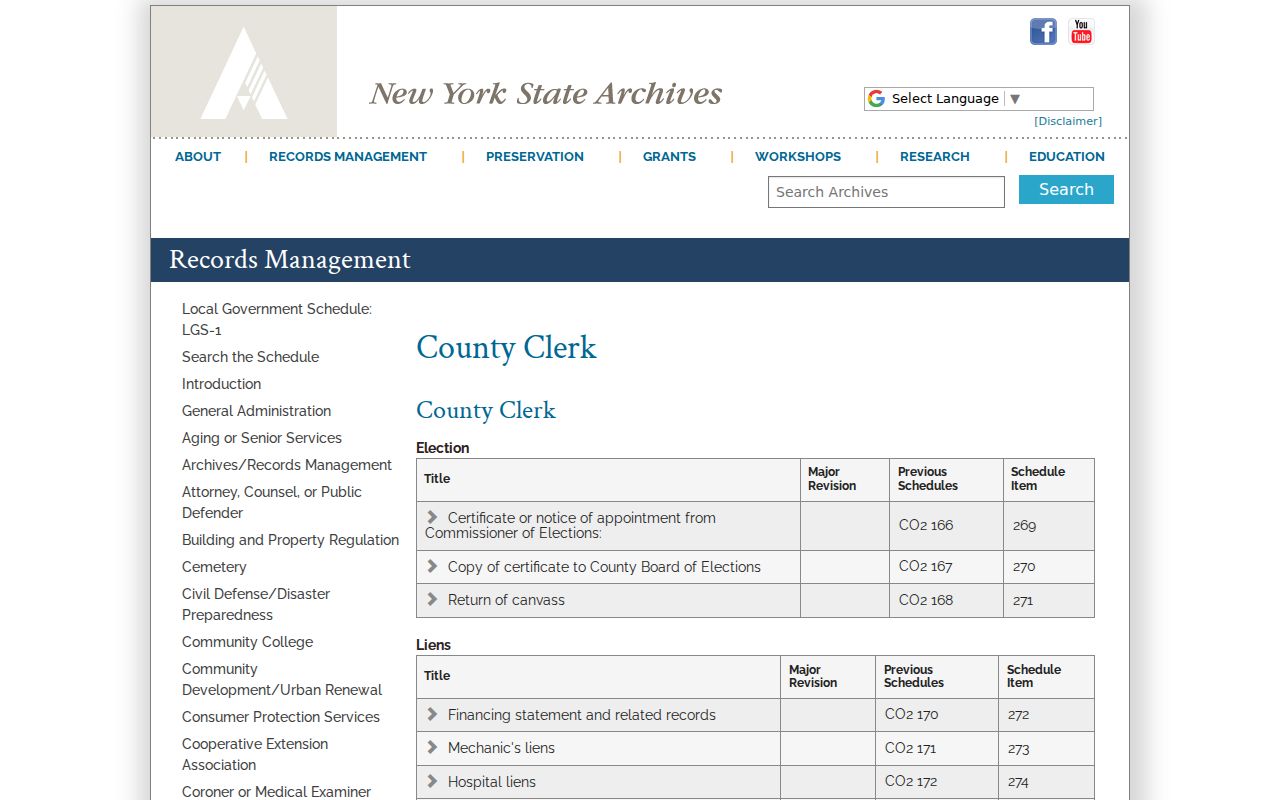
Each source has a different date range and access channel. A missing online result may point to an office-only index, a collection gap, or a protected record rather than a missing past household.
Start Past Residents With Amherst Parcels
Begin an Amherst address-history search with the current parcel, even if the question concerns a much older household. The Town of Amherst CPI property search accepts a street number and partial street name, an SBL, or an owner name. Record the situs address, SBL, current owner, mailing address, assessment date, and a deed book/page if shown. The SBL is the most useful crosswalk because it can connect the assessment result to Erie GIS and then to the County Clerk’s record indexes.
Keep the situs and mailing fields separate. The situs is the taxable parcel location. The mailing address can be a PO box, an organization, a trustee, an attorney, or a different town. Neither field lists every person who lived at the address. The current record is simply the starting point for a dated title and household investigation.
Note: Preserve the SBL and legal description before relying on a street string that may have changed with subdivision, parcel, or postal-place history.
Amherst Deeds Before Erie County
Amherst was established as a town in 1818, Erie County was organized in 1821, and the County Clerk’s deed series begins in 1808. That sequence is a useful warning for house-history research: a modern address may lead to a land instrument that predates the current county arrangement. The history is not a reason to force a modern street label into an early record. Use the legal description, parcel lineage, town or hamlet wording, and the Clerk’s older record routes to decide whether a document belongs in the chain.
The important local story is access, not an invented loss narrative. No official source confirmed an Amherst courthouse fire, flood, or records disaster. The documented breaks are the online cutoff, missing directory years, and records that remain at an office or physical collection.
Trace Amherst Past Residents by Deed
The deed chain identifies transfers, not every household. In Erie County Clerk BrowserView, use the current owner’s name in Last-Name First-Name order with no comma, or use a parcel or map number when available. Narrow a search with the Town of Amherst, document type, and recording-date fields. Read the latest deed for its grantor, grantee, recording date, legal description, and prior-instrument reference. Those fields allow the next backward step.
- Pull the current parcel record and record its SBL, owner, and any deed book/page reference.
- Find the latest recorded transfer in BrowserView by party, parcel, or map number. Confirm the Town and date before treating it as the target parcel.
- Read the seller, or grantor, as the earlier buyer to search. Compare the legal description rather than matching on street text alone.
- Repeat the transfer-to-transfer search, checking whether a sale involved only part of a parcel, a merged lot, or an entity.
- When the online index ends, use older books, the office terminal, the Graves Index, or the Clerk’s written-request route.
- Grantor / grantee
- The grantor transfers an interest in a deed. The grantee receives that interest. Each role changes when the same person appears in a later purchase or sale.
- Chain of title
- The sequence of recorded transfers used to connect one title holder to an earlier one.
- Legal description
- The recorded lot, subdivision, or metes-and-bounds wording. It is often more durable than a street address for older Amherst research.
- Criss-cross directory
- A reverse section that starts with an address and can provide a household clue for a particular publication year.
Amherst Title Research After 1986
The online land-index cutoff is the central technical limit in a past-resident search. Deeds are a series from 1808 to the present, but BrowserView’s searchable land index begins in 1986. Deed images begin in 1960 under the Clerk’s stated coverage, while still older material requires older book or index handling. The cutoff does not mean earlier Amherst title history disappeared. It changes the channel: office terminal, older index, book/page research, or a mailed request.
County Clerk searches can return index data without providing a freely available image. Images can be viewed at public-access terminals under the Clerk’s conditions. A mail request should include the owner name, property address, approximate date, book/page when known, contact information, and a self-addressed stamped envelope. The separate deed form lists a $5 certified copy in person and a $10 mail charge including a $5 search fee.
Erie County Clerk BrowserView is the current browser-compatible index used before an Amherst deed trail reaches the older-record route.
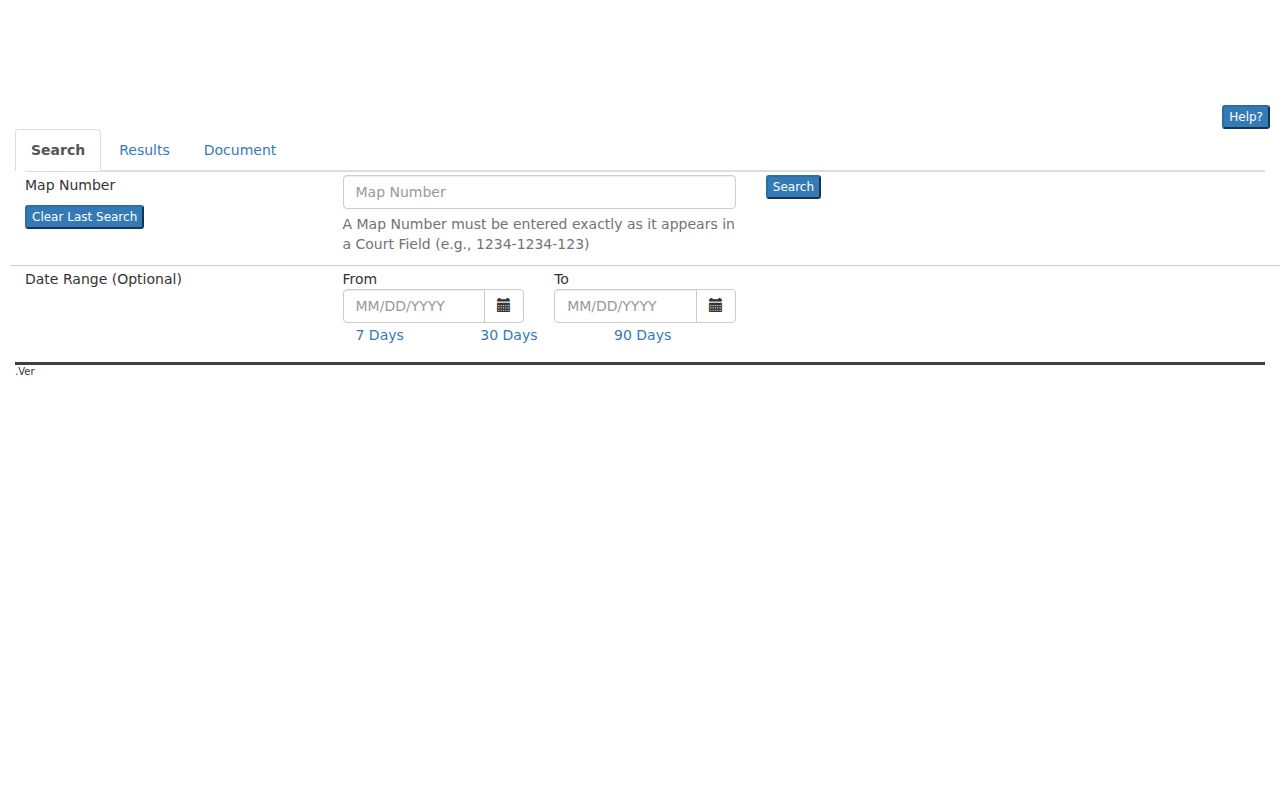
Capture the party role, recording date, book/page or instrument, and legal description from each result. The document image or certified copy supplies the next level of verification when available.
Amherst Past Residents in Tax Rolls
Buffalo Niagara Heritage Village provides the Amherst-specific bridge before modern assessment portals. Its Amherst Library and Reading Room holds tax rolls from 1854–1900, Amherst Bee microfilm from 1879–2012, selected census and church records, directories, indexes, and subject files. Research visits are appointment-based, generally in one-hour slots, and self-guided research is free. The collection can supply a taxpayer or owner lead when the online deed index stops, but a tax-roll name should still be tested against the parcel and title evidence.
The Amherst Bee may add the human timeline that land records lack: an obituary, organization notice, transfer mention, institution, or street reference. For an estate endpoint, use a notice as a lead, then verify the relevant deed or Surrogate record. BNHV’s local history material can also help explain a hamlet, school, church, or road name that appears in the address trail.
New York State Archives record-search guidance is a useful catalog and finding-aid route when a requested historical series is not in the online Amherst tools.
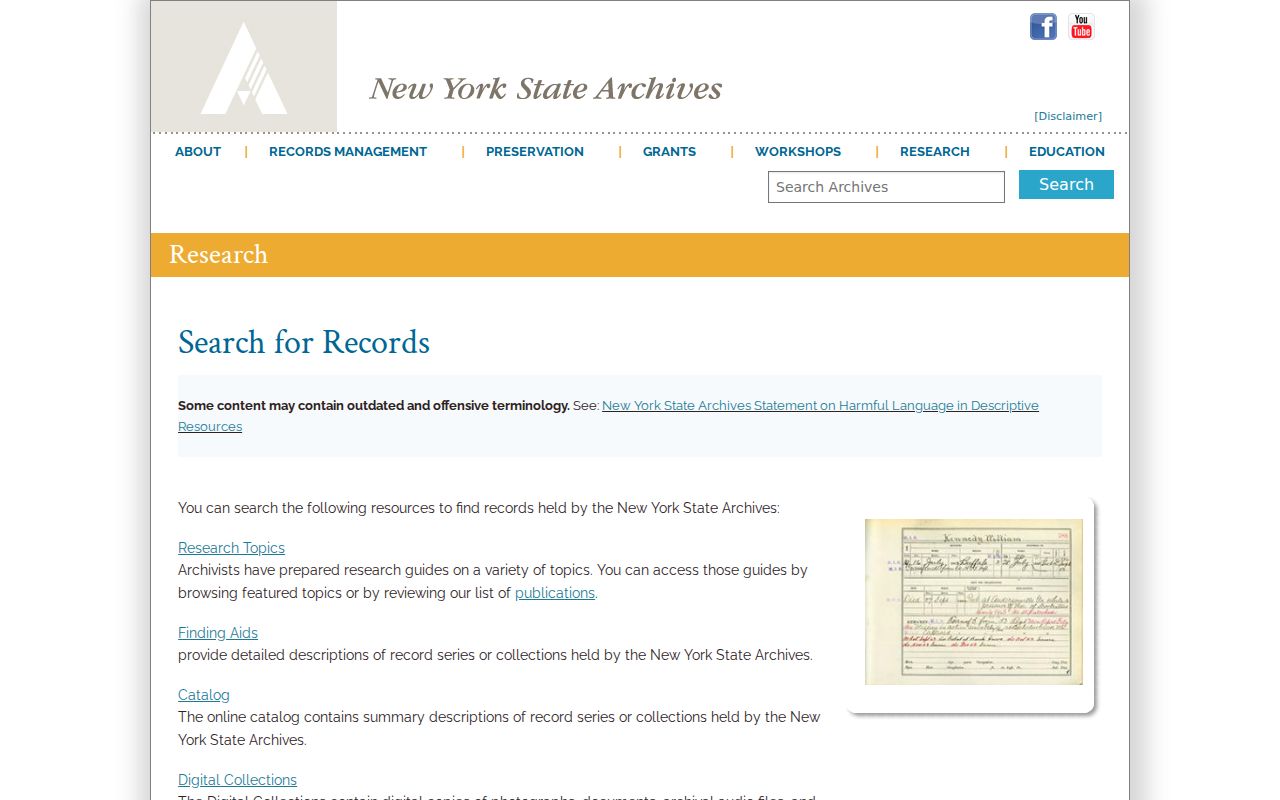
Archives and local-history collections supplement a title trail. They do not turn an unverified name into proof that a person lived at an Amherst address.
Amherst Past Residents in Directory Runs
For past households, use directories as a date-stamped household lead rather than a permanent address registry. The useful local sequence is Erie County Suburban for 1949; Buffalo Northeast Suburban for 1957, 1958, 1960–64, and 1966–80; and Buffalo Suburban from 1983 forward. Check Amherst, Williamsville, Eggertsville, and Snyder headings because regional publication labels and postal names do not always track the Town boundary. The Buffalo & Erie County Public Library and Buffalo History Museum provide collection access, while BNHV adds Amherst-specific local material.
The 1828 Buffalo directory is a regional teaching sample only. It contains Buffalo village household-head entries, often with work and dwelling streets but no modern house numbers. Its roads had recently been renamed, which illustrates why an old street string must be tested against maps and legal descriptions. It does not identify Amherst residents and should never be relabeled as an Amherst list.
The digitized 1828 Buffalo directory shows the field structure and historic street-string problem that researchers should keep separate from Amherst evidence.
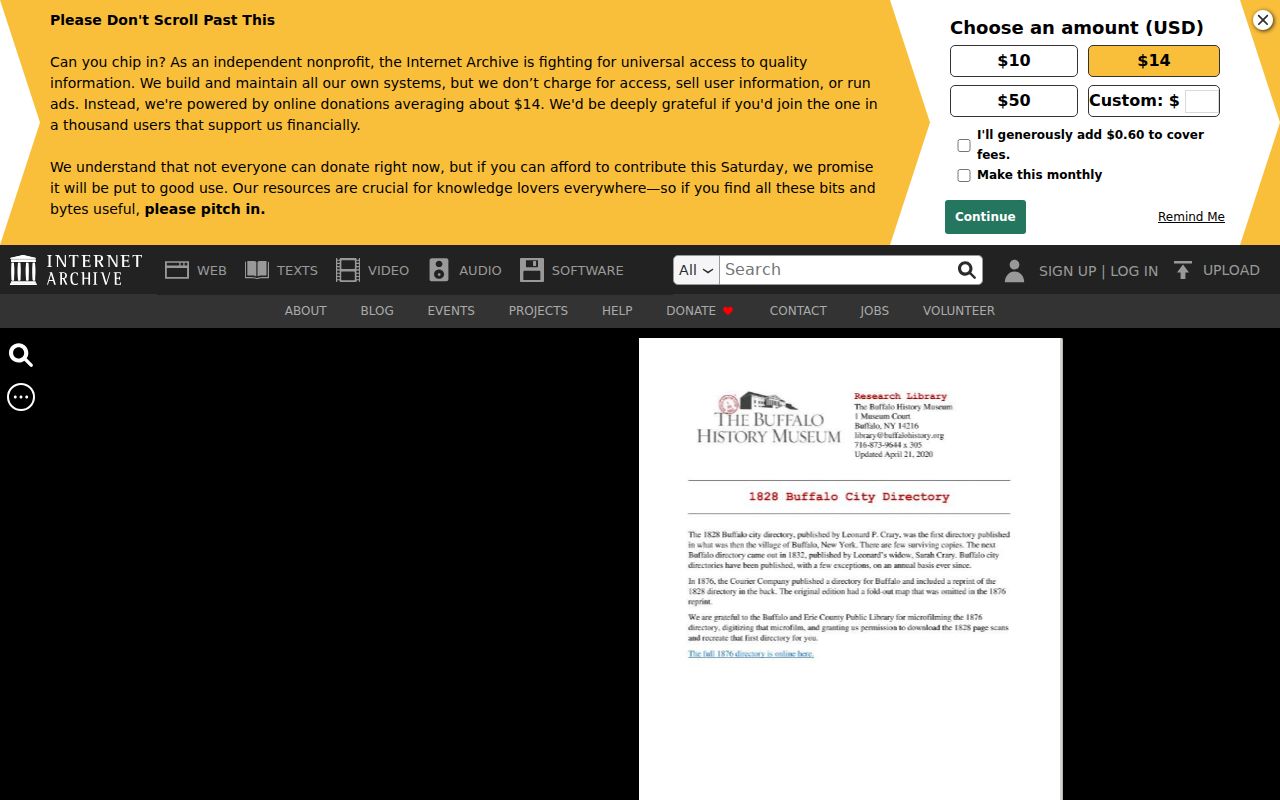
For the actual Amherst trail, compare a local directory heading and address with the SBL, assessment history, deed description, and the next available local source.
Pair Amherst Past Residents With Census
Federal census schedules turn a directory lead into a household question. Individual schedules are public through 1950 under the 72-year rule; 1960 and later schedules are not public. Match a directory year with the nearest census year, then check the address, names, relationships, ages, and other listed details against the title trail. The 1950 name index is OCR/AI-assisted, so a spelling miss can require enumeration-district browsing. Do not treat a directory omission as proof that a family was absent, especially where a volume focused on adult householders.
The 1890 census was largely destroyed in a 1921 Department of Commerce fire. For that gap, use surviving schedules, tax rolls, directories, Amherst Bee material, deeds, and other dated local records. A directory can suggest an address, the census can test household continuity, and a deed or tax roll can test title or taxpayer history. None of those sources alone is a full account of everyone who lived there.
National Archives federal census research explains the public-schedule route and supports the census portion of an Amherst address-history timeline.
Record the census year and enumeration context beside each household lead. That makes it easier to distinguish an indexed name match from a tested address history.
Amherst Past Residents and Sanborn Maps
Sanborn Maps of New York can date the structure and streetscape around an Amherst address, but they are not ownership rolls. The B&ECPL and HeritageQuest collection spans 1867–1970 and includes more than 50 Erie County locations. Exact Amherst sheets and years must be checked map by map. When a relevant sheet exists, it can show a building footprint, construction material, use, floor count, nearby lots, and street-address context. That evidence can explain why an assessment class, permit trail, or address changed.
When an address string appears to break, compare the historic map, legal description, BNHV subject files, directory heading, assessment record, and GIS street layer. Research did not locate a published Amherst-wide renumbering table or a formal Town house-history guide. The safe conclusion is uncertainty until the record chain supports a match.
Past Amherst Households and Legal Limits
Past households become clearer only when multiple records agree. An obituary can identify relatives or a former address. Probate can identify a fiduciary, heirs, and an estate path. A recorded estate deed can then return the search to a parcel. Erie County Surrogate’s Court and WebSurrogate are the probate routes, with older or unlinked files available through the courthouse public-access process. A probate entry, obituary, directory, or tax roll is a lead to compare with the recorded land trail, not a shortcut around it.
New York Freedom of Information Law, Public Officers Law Article 6 §§84–90, does not erase protections for sealed files, vital records, confidential voter registration, or Address Confidentiality Program participants. Do not infer a present address from an old directory or use a protected-record absence as evidence that a person was not in Amherst. Verify sensitive record questions with the office that holds the file.
Lawful use. Amherst house-history and family-history research should remain personal and lawful. Do not use an old address, a historic household clue, or a public record to stalk, harass, or harm a living person.